Continuous Line Flower Border SVG for Graphics
As a graphic designer who has spent years refining brand identities and crafting marketing visuals for small businesses, I approach every new graphic design asset with a critical eye. It is not just about whether an image looks pretty; it is about whether it solves a design problem. Recently, I integrated the Continuous Line Flower Border SVG into a project for a boutique skincare brand launching a seasonal collection. The goal was to create packaging that felt organic yet sophisticated, avoiding the clutter often found in floral designs. This review breaks down how this specific asset performs in real-world scenarios, from packaging design to digital social media graphics.
The Aesthetic Appeal of Minimalist Florals
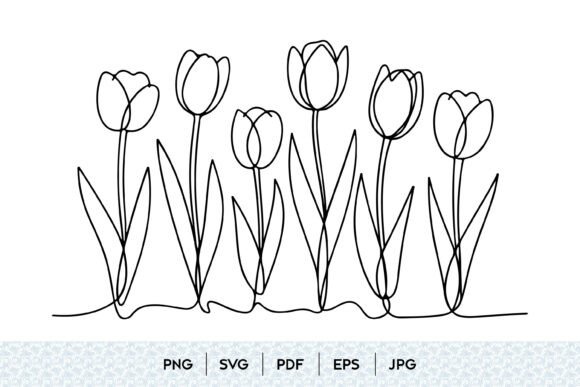
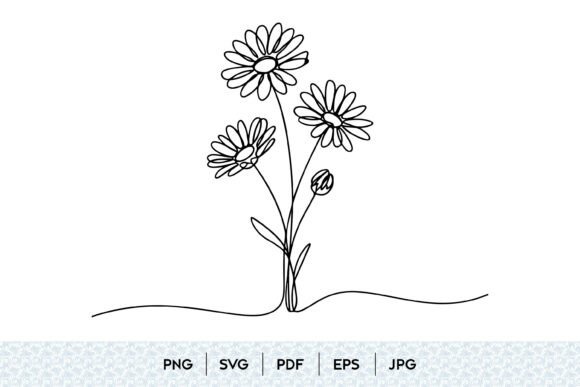
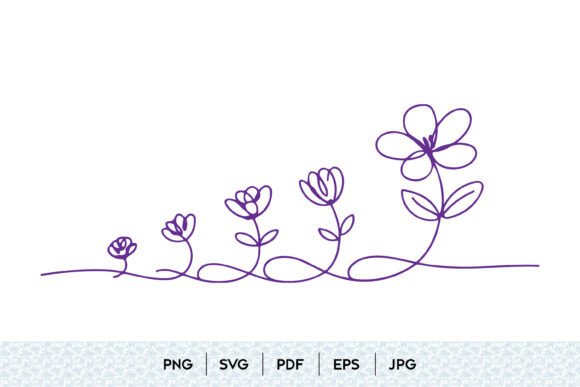
The first thing that strikes you about the Continuous Line Flower Border SVG is its restraint. In an era where maximalism often dominates creative design, this piece relies on the elegance of negative space. The one-line drawing technique creates a sense of fluidity and movement, making it ideal for brands that want to convey grace without heaviness. When I placed it against a muted sage background for the client’s box mockup, the visual mood shifted instantly from generic to curated.
This type of illustration works exceptionally well for handmade businesses and artisanal products. It suggests care and precision, qualities that resonate with customers looking for authenticity. Whether you are designing for a wedding invitation suite or a modern Etsy product listing, the continuous line style offers a timeless appeal that does not date quickly. It bridges the gap between traditional botanical art and contemporary modern design trends.
Versatility Across Print and Digital Media
One of the strongest arguments for adding this to your library of design assets is its adaptability. During the project, I tested the file across multiple mediums to ensure consistency. Here is how it performed in various applications:
- Packaging Design: The border worked beautifully as a framing element on label stickers. It drew the eye to the product name without overpowering the typography.
- Social Media Graphics: For Instagram posts and Pinterest pins, the clean lines remained sharp even when scaled down. It added a decorative touch to promotional quotes and product announcements.
- Print-on-Demand: I simulated the design on tote bags and t-shirts. The simplicity of the SVG design meant it would be cost-effective for screen printing or easy to apply via heat transfer vinyl for Cricut projects.
- Editorial Design: In a blog layout, the floral vine served as a subtle section breaker, enhancing readability by visually separating content blocks without disrupting the flow.
The inclusion of multiple file formats is crucial for professional workflows. You will receive a zip file including PNG 300 ppi, JPG, EPS, SVG, and PDF. Having the vector files (EPS and SVG) allowed me to scale the floral border svg infinitely for large format posters without losing quality, while the high-resolution PNG was perfect for quick drag-and-drop use in Canva templates.
Strategic Placement and Visual Hierarchy
While the asset is versatile, it requires strategic placement to maintain visual hierarchy. In my experience, this border shines best when used as a supporting element rather than the focal point. It excels in large layout areas where it can breathe, such as the header of a website or the top third of a flyer. However, designers should be cautious when using it in crowded layouts. If the background is too busy or if there is insufficient contrast, the delicate lines can get lost.
I found that the Continuous Line Flower Border SVG pairs exceptionally well with serif fonts for a classic look or handwritten fonts for a personal touch. Conversely, it might clash with overly complex display fonts that compete for attention. For corporate materials requiring strict minimalism, this asset might feel too decorative, so it is best reserved for lifestyle, beauty, wellness, or creative industries.
Technical Checks for Professional Use
Before delivering any final files to a client, I run a series of technical checks. Here are my practical notes for anyone using this digital product:
- Test in Black and White: Ensure the lines remain distinct without color. This is vital for faxed documents, newspaper ads, or cost-saving monochrome printing.
- Check Contrast: Preview the design on both light and dark backgrounds. The thin lines may need a stroke adjustment or a background shape to remain visible on dark colors.
- Inspect Transparency: If using the PNG file, verify that the transparency is clean and there are no white halos around the edges, which can look unprofessional on colored backgrounds.
- Vector Editability: Open the SVG or EPS in your preferred software like Adobe Illustrator. Check if the paths are closed and editable. This allows you to change the color or modify the curve if needed for a custom logo design integration.
- Licensing Verification: Always confirm the commercial license terms. For this asset, ensure it covers your specific use case, whether it is for physical printable design sales or digital sublimation design products.
Enhancing Brand Identity and Trust
Ultimately, the value of a clipart or illustration lies in how it enhances brand perception. The Continuous Line Flower Border SVG contributes to a sense of polish and professionalism. When customers see cohesive marketing visuals that use high-quality, consistent graphics, their trust in the brand increases. This asset helps achieve that cohesion by providing a recognizable visual motif that can be repeated across business cards, websites, and product packaging.
For small business owners and marketers, using such a refined illustration can elevate perceived value. It signals that attention to detail was paid in every aspect of the business. Whether you are creating a sticker design for a local market or a full brand identity package, this border offers a flexible foundation for creative expression.
In conclusion, the Continuous Line Flower Border SVG is a robust addition to any designer’s toolkit. It balances aesthetic beauty with functional versatility, making it suitable for a wide range of commercial design projects. By understanding its strengths in web design, print, and branding, and by applying the technical checks outlined above, you can leverage this asset to create compelling, professional-grade work that resonates with your audience.