Koi Fish Lotus Line Art: Graphics & Illustrations
As a brand designer who has spent years refining visual identities for local businesses, I approach every new graphic design asset with a critical eye. It is not enough for an image to be pretty; it must work hard for the business owner. Recently, I evaluated the Koi Fish Lotus Line Art SVG for a potential project involving a boutique skincare line and a local artisanal tea shop. My goal was to determine if this specific illustration could carry the weight of professional branding or if it would remain merely decorative clipart.
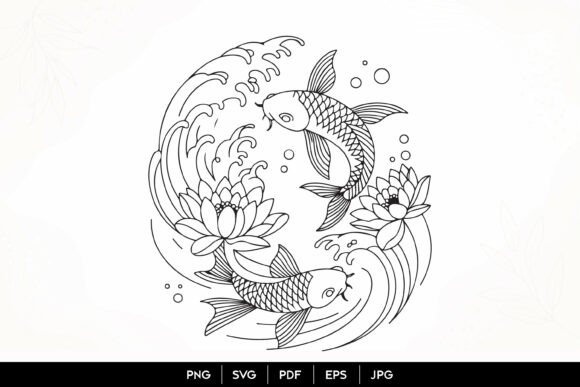
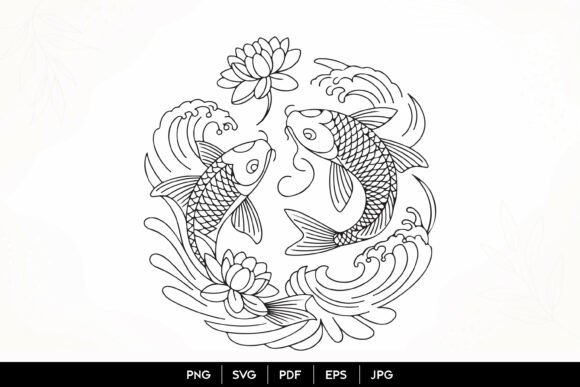
The first impression of the Koi Fish Lotus Line Art SVG is one of serene elegance. The lines are clean, deliberate, and balanced, evoking a sense of harmony that aligns perfectly with brands focused on wellness, organic ingredients, or handmade craftsmanship. This is not a loud, chaotic design. Instead, it suggests a brand personality that is calm, premium, and deeply connected to nature. For a local business aiming to project trust and tranquility, this mood is invaluable. It feels less like a generic stock image and more like a custom illustration created specifically for a high-end label.
Integrating the Asset into Real Brand Identity
When considering small business branding, versatility is key. The Koi Fish Lotus Line Art SVG offers significant flexibility because it arrives in multiple formats. You will get SVG, PNG, EPS, JPG, and PDF files. This variety is crucial for a designer working across different mediums. For digital applications, such as social media graphics or website banners, the SVG and PNG formats ensure crisp rendering on any screen. The transparency of the PNG allows for seamless layering over textured backgrounds or colored overlays, which is essential for creating engaging marketing visuals.
For physical products, the vector formats (SVG, EPS, PDF) are indispensable. I tested the vector file for a product label design, and the scalability was flawless. Whether enlarged for a storefront window decal or reduced for a small hang tag, the lines remained sharp without pixelation. This makes the asset ideal for packaging design where clarity and professionalism are non-negotiable. A blurry logo or graphic can instantly undermine customer trust, but this Japanese koi vector maintains its integrity at any size.
Strategic Applications for Local Businesses
So, where does this design asset truly shine? In my review, I identified several high-impact use cases for handmade business owners and boutique retailers:
- Product Labels: The koi fish line art works beautifully as a central focal point on soap wrappers, candle jars, or tea tins. Its organic flow complements serif and script fonts, adding a touch of sophistication.
- Packaging Accents: Use the lotus flower svg element as a subtle pattern on tissue paper or box interiors. This creates a cohesive unboxing experience that strengthens emotional connection.
- Thank-You Cards: Printed on high-quality cardstock, the koi pond illustration adds a personal, artistic touch to post-purchase inserts, encouraging repeat business.
- Social Media Content: The clean lines stand out well against busy Instagram feeds. It can serve as a background for quotes or product announcements, enhancing visual hierarchy.
- Seasonal Campaigns: The symbolism of koi and lotus fits well with spring launches or wellness-themed promotions, providing a ready-made theme for editorial design pieces.
For a food business or cafe, this graphic could elevate menu designs or price lists, giving them a curated, artisanal feel. It moves the brand away from fast-food aesthetics toward a slower, more mindful dining experience.
Where to Use Caution
While the Koi Fish Lotus Line Art SVG is versatile, it is not a universal solution. As a designer, I advise against using it in formal corporate branding where strict minimalism or aggressive modernity is required. The organic, flowing nature of the fish outline svg may clash with rigid, geometric corporate identities. Additionally, care must be taken when placing this graphic on crowded packaging. If your product label is already heavy with ingredient lists, legal disclaimers, and barcodes, adding intricate line art can reduce readability. Always prioritize visual hierarchy; the graphic should support the text, not compete with it.
Furthermore, avoid using the graphic on low-contrast backgrounds. The fine lines of the lotus l elements may disappear if placed on a dark or textured surface without proper adjustment. For luxury minimalist brands that rely on vast negative space, ensure the scale of the koi is appropriate so it does not look cluttered.
Practical Designer Notes for Implementation
Before committing this asset to a client project or commercial design run, I recommend a few practical tests. First, always preview the design in black and white. A strong logo design or brand mark must work without color to ensure versatility for faxed documents, embossed stamps, or single-color printing. The yin yang koi balance in this design holds up well in monochrome, which is a positive sign.
Next, test the asset alongside various typography styles. I found that it pairs exceptionally well with elegant serif fonts for a classic look, but also complements clean sans serif fonts for a modern twist. Avoid overly decorative handwritten fonts that might fight with the curves of the koi. Instead, choose a typeface that lets the illustration breathe.
Finally, confirm the licensing terms. While many assets from a creative marketplace come with a commercial license, always double-check if there are restrictions on print runs or resale. For a digital product seller or a Canva template creator, ensuring you have the right to use the koi fish svg in end-products is vital for legal safety.
In conclusion, the Koi Fish Lotus Line Art SVG is a robust tool for professional branding. It offers the aesthetic appeal of custom art with the convenience of a digital product. For local business owners looking to enhance their brand identity with a touch of natural elegance, this graphic design asset delivers both beauty and functionality. By using it strategically in packaging design and marketing visuals, you can create a cohesive and trustworthy brand presence that resonates with customers.